



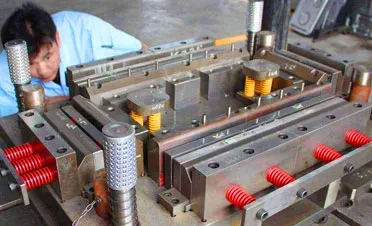

metal stamping parts
metal stamping parts
Stamping Parts form the backbone of modern metal fabrication, offering versatile and cost-effective solutions for producing complex metal components through controlled deformation processes. This manufacturing technique transforms flat sheet metal into desired shapes using dies and presses, eliminating the need for extensive machining while maintaining consistent quality across production runs. Stamping Parts find applications in diverse industries, from automotive and aerospace to consumer electronics and industrial machinery, where their ability to be customized for specific functions—such as connecting pipes and equipment—makes them indispensable. The process leverages mechanical force to shape metals like steel, aluminum, and copper, creating components that range from simple washers to intricate brackets, all designed for reliable performance in various operational environments. Deep Drawn Metal Stamping stands out for its capability to produce hollow, three-dimensional components with uniform wall thickness from flat sheet metal This specialized form of stamping uses a series of dies to progressively shape the material into cylindrical, rectangular, or irregular hollow forms, making it ideal for creating containers, housings, and fluid-carrying components. Deep Drawn Metal Stamping excels in manufacturing parts that require seamless construction, which is critical for applications involving fluid transfer or pressure containment. The process ensures minimal material waste by utilizing the entire sheet efficiently, while the uniform material flow during drawing enhances structural integrity, allowing components to withstand pressure and stress in demanding operational settings. Precision Metal Stamping focuses on achieving tight dimensional tolerances and intricate details, making it essential for components where accuracy directly impacts performance This technique employs high-precision dies and computer-controlled presses to produce Stamping Parts with tolerances as tight as ±0.001 inches, ensuring consistent fit and functionality in assembly processes. Precision Metal Stamping is particularly valuable for creating components that interface with other parts, such as connectors for electrical systems or fastening elements in mechanical assemblies. The ability to maintain strict tolerances allows these parts to function reliably in applications requiring precise alignment, such as transmission systems for various pipe specifications and materials. Progressive Die Stamping streamlines high-volume production by integrating multiple manufacturing steps into a single continuous process within a single die set This efficient method feeds sheet metal through a series of stations, each performing a specific operation—such as cutting, bending, or forming—until the final component is completed. Progressive Die Stamping reduces production time significantly by eliminating the need to transfer parts between separate machines, making it ideal for large-scale production of standardized Stamping Parts. The automated nature of the process ensures consistent quality, while the integration of multiple operations minimizes material handling and reduces overall production costs. Custom Sheet Metal Stamping caters to unique design requirements, offering tailored solutions for specialized applications that demand non-standard shapes or specific material properties This flexible approach allows manufacturers to create Stamping Parts from various metals, including stainless steel, brass, and galvanized steel, each selected based on the application’s environmental and functional needs. Custom Sheet Metal Stamping supports the production of components designed for easy disassembly and maintenance, a key feature for systems requiring regular upkeep or modification. Whether creating brackets for securing equipment or adapters for connecting different pipe materials, this method ensures components meet exact specifications for fit, function, and durability. Stamping Parts play a critical role in facilitating efficient industrial operations, particularly in systems involving the transmission of fluids through pipes of different specifications and materials Their ability to create secure connections between pipes and equipment ensures leak-free operation and reliable performance in fluid handling applications. Many Stamping Parts are engineered with modular designs that simplify installation and maintenance, allowing for quick disassembly and replacement when needed. This adaptability makes them suitable for dynamic industrial environments where system configurations may change over time, ensuring long-term usability and cost-effectiveness. In summary, Stamping Parts encompass a range of specialized techniques—from Deep Drawn Metal Stamping to Precision Metal Stamping—that collectively provide versatile solutions in metal fabrication. Progressive Die Stamping enhances production efficiency for high-volume needs, while Custom Sheet Metal Stamping addresses unique application requirements, including easy maintenance and compatibility with diverse pipe systems. These manufacturing methods ensure that Stamping Parts deliver consistent quality, precision, and durability across industries, supporting critical functions such as connecting equipment, transferring fluids, and enabling system adaptability. As industrial demands evolve, Stamping Parts continue to be essential components, offering reliable and cost-effective solutions for complex fabrication challenges. C ustom S heet M etal S tamping FAQs 1. What are the primary applications of custom sheet metal stamping in fluid systems? Custom sheet metal stamping is extensively used to create precise brackets, clamps, and supports for connecting pipelines and equipment in industrial fluid systems. These components ensure secure alignment and prevent vibration-induced leaks, especially in high-pressure environments involving water, oil, or gas transmission. The process allows for tailored geometries to accommodate unique pipe diameters and spatial constraints. 2. How does custom sheet metal stamping facilitate the transmission of diverse piping specifications? By leveraging CAD-driven tooling designs, custom sheet metal stamping produces adapters, flanges, and couplings that interface between pipes of varying materials (e.g., copper, PVC, stainless steel) and diameters. Stamped parts can include embossed markings for size identification and incorporate sealing grooves for gaskets to ensure leak-proof transitions across mixed-material systems. 3. Why is custom sheet metal stamping ideal for maintenance-friendly installations? Stamped metal parts enable modular design through standardized yet customizable quick-release clamps, access panels, and hinged brackets. These components allow non-destructive disassembly using basic tools, reducing downtime during repairs or upgrades. Features like pre-threaded holes and snap-fit designs eliminate welding needs, simplifying component replacement. 4. What material advantages does custom sheet metal stamping offer for corrosive environments? The process supports stainless steel, aluminum, and galvanized steels with post-forming treatments like powder coating or plating. Stamped parts can be designed with rounded corners to avoid coating thin-out areas, ensuring consistent corrosion protection across brackets and supports exposed to moisture or chemicals in piping systems. 5. How does custom sheet metal stamping contribute to structural integrity in modular piping setups? Precision stamping creates interlocking segments and reinforced ribs in supports and hangers, distributing mechanical stress evenly across assemblies. This prevents point load failures when supporting heavy pipes or equipment. Computer-simulated stress analysis during design further optimizes part geometry for load-bearing efficiency.
-
 2026-06-15 15:22डाई कास्ट एल्युमिनियम की सफाई के प्रभावी तरीके और सुझावसाफ़-सुथरे डाई-कास्ट एल्युमिनियम का महत्व डाई-कास्ट एल्युमिनियम एक प्रचलित निर्माण प्रक्रिया है जो उच्च-सटीकता वाले कास्टिंग उत्पादों को बनाने के लिए उपयोग की जाती है। यह प्रक्रिया विभिन्न उद्योगों में कई अनुप्रयोगों के लिए उपयोग की जाती है, जैसे कि ऑटोमोबाइल, इलेक्ट्रॉनिक्स, और निर्माण सामग्री। हालाँकि, इस प्रक्रिया का कोई भी उत्पाद तेजी से मूल्य खो सकता है यदि उसे सही तरीके से साफ़-सुथरा नहीं रख
 -
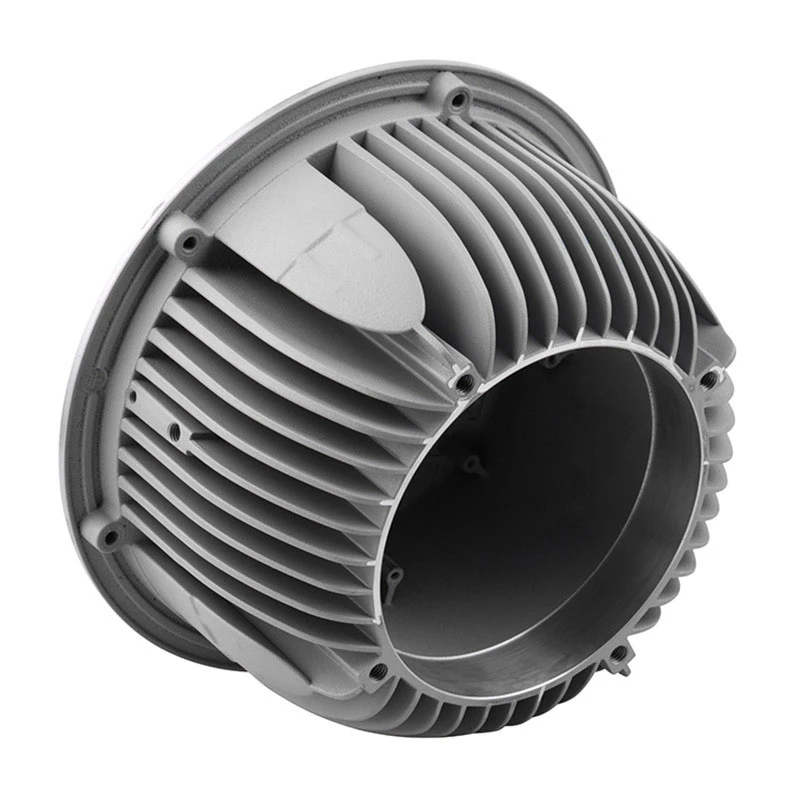 2026-06-15 15:04Silika sand til metallforming og støpeprosesser i industrienSilika Sand for Metal Casting En Nøkkelkomponent i Metallbearbeiding Silika sand, også kjent som kvartsand, har lenge vært en essensiell faktor i prosessen med metallstøping. Dens unike egenskaper gjør den til et uunnværlig materiale innen metallbearbeiding. I denne artikkelen vil vi utforske bruken av silika sand, dens fordeler, samt viktigheten av riktig valg av sand i støpeprosessen. Silika san
 -
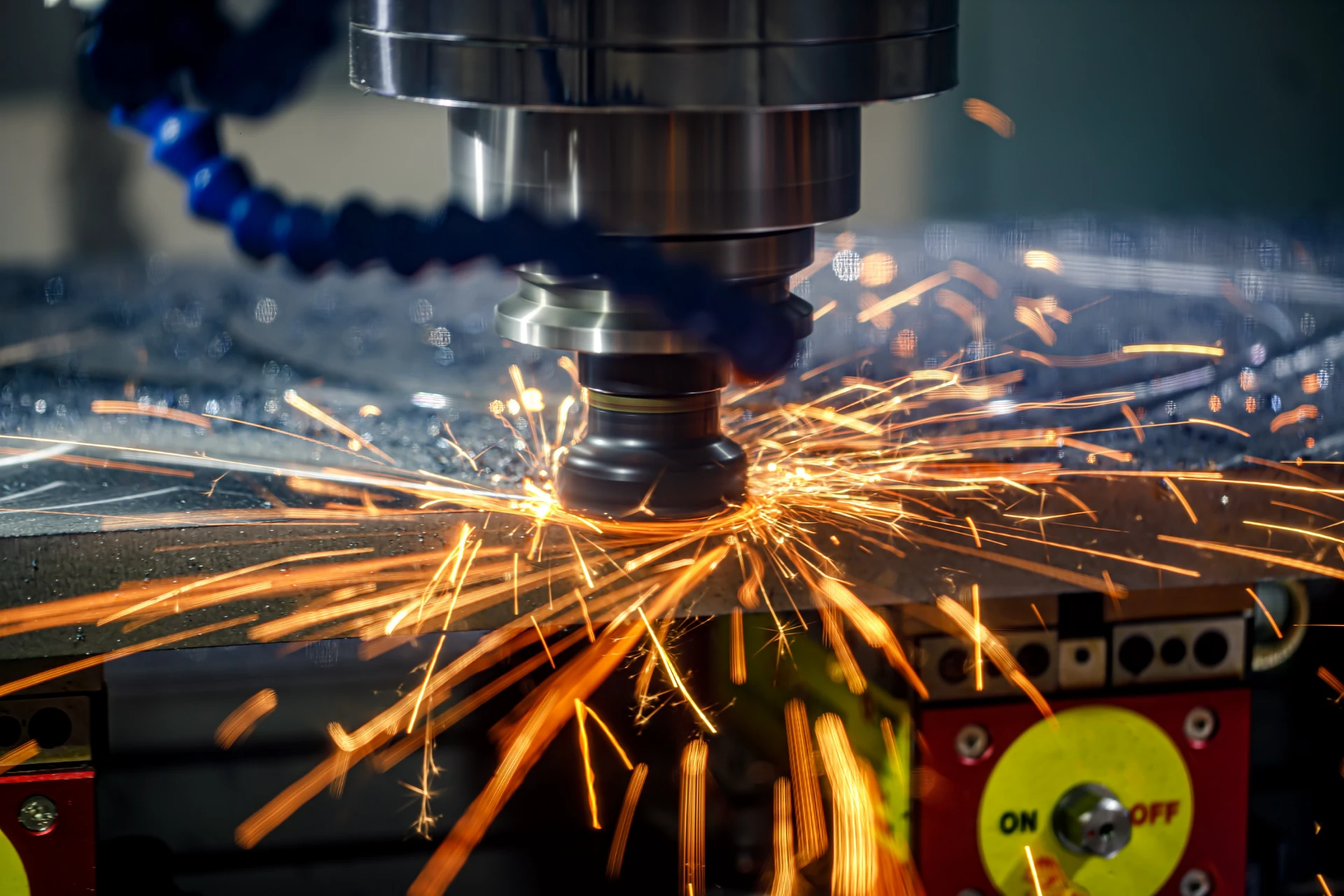 2026-06-15 14:50stamping partUnderstanding Stamping Parts An Integral Component of Modern Manufacturing In the realm of modern manufacturing, stamping parts play a crucial role in a variety of industries, including automotive, aerospace, electronics, and appliances. Stamping is a manufacturing process that involves creating shapes and components by applying pressure to metal sheets, leading to a wide array of applications. Th
 -
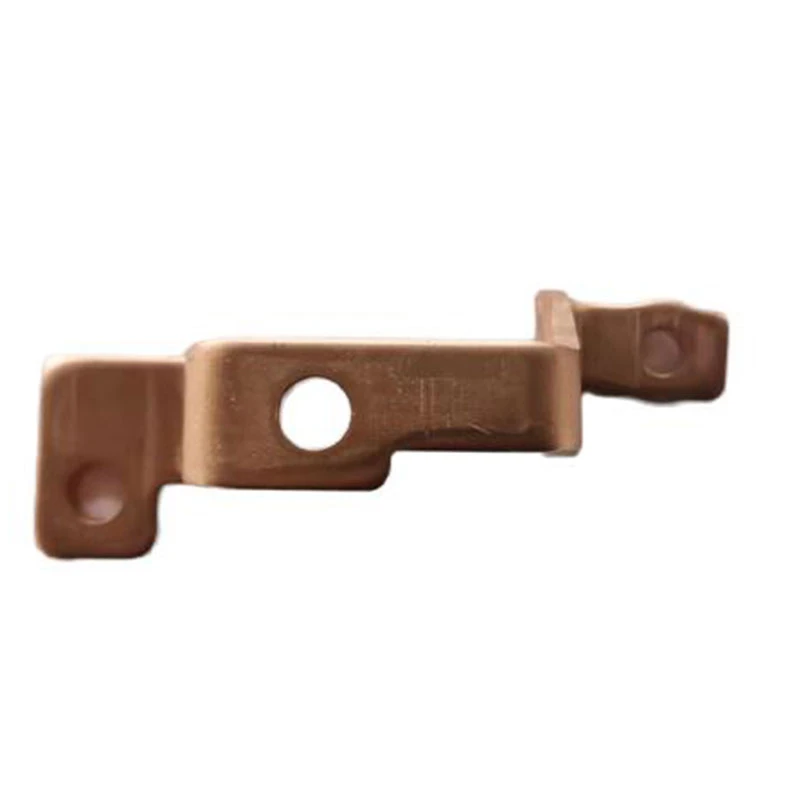 2026-06-15 14:41Techniques and Best Practices for Machining Carbon Fiber Materials in Modern ManufacturingMachining Carbon Fiber Techniques and Considerations Carbon fiber, renowned for its strength-to-weight ratio, has gained significant traction in various industries, from aerospace to automotive, and even sports equipment. As the demand for carbon fiber components increases, effective machining techniques become critical. Machining carbon fiber is not only about cutting the material but also about
 -
 2026-06-15 13:35titanium die castingThe Advantages and Applications of Titanium Die Casting Titanium, often referred to as the strongest and lightest metal, has carved a niche for itself in various industrial applications. Among the myriad processes suitable for shaping metals, die casting stands out as one of the most efficient and effective methods for producing complex and precise components. Titanium die casting combines the not